
Developmental Psychology
Hands-on Career Exploration in Child Development
- • Authentic elementary school internship placements
- • Direct mentor teacher guidance across grades K–6
- • Applied child psychology and career pathway readiness
LEARN MORE ▾
DPOC is an immersive high school career pathway where students explore child development, cognitive psychology, and make a tangible difference mentoring young learners in local elementary schools.
Combining academic theory with structured field experience, DPOC equips students with empathy, professional poise, and experiential preparation for future careers in teaching, child psychology, pediatric healthcare, and youth advocacy.
What You'll Study
Child Development Stages
LEARN MORE ▾
Foundational study of physical, cognitive, and social milestones from infancy through adolescence, analyzing the influential frameworks of seminal developmental psychologists.
Key Theorists: Jean Piaget (Sensorimotor, Preoperational, Concrete Operational, Formal Operational thinking), Lev Vygotsky (Zone of Proximal Development & Scaffolding), and Erik Erikson (Psychosocial stages from Trust vs. Mistrust to Identity vs. Role Confusion).
Practical Application: Interns apply cognitive milestone tracking to anticipate readiness in early reading, logical grouping, and cooperative learning tasks in elementary classrooms.
Educational Psychology
LEARN MORE ▾
Investigation of how children acquire spoken language, emergent literacy, and foundational numeracy through multi-sensory and differentiated instructional strategies.
Core Concepts: Phonics acquisition vs. whole-language comprehension, math manipulatives in early numeracy, working memory bandwidth in early childhood, and Howard Gardner's Multiple Intelligences.
Practical Application: Students lead small-group guided reading interventions, diagnose decoding hurdles, and design interactive learning games tailored to varied learning paces.
Social & Emotional Learning
LEARN MORE ▾
Techniques for fostering emotional self-regulation, empathy building, peer conflict resolution, and positive behavioral support in elementary school environments.
Frameworks: CASEL 5 core competencies (Self-Awareness, Self-Management, Social Awareness, Relationship Skills, Responsible Decision-Making), co-regulation techniques, and restorative justice circles.
Practical Application: Interns assist students with big emotions during recess transitions, facilitate constructive peer dialogue, and model compassionate listening skills.
Family & Community Systems
LEARN MORE ▾
Analysis of how family structures, cultural heritage, socioeconomic contexts, and community resources interconnect to shape child development and learning equity.
Theoretical Base: Urie Bronfenbrenner's Ecological Systems Theory (microsystem through macrosystem), culturally responsive pedagogy, multilingual learner advocacy, and inclusive family-school collaboration.
Practical Application: Understanding home-school continuity, building culturally affirming classroom materials, and supporting English Language Learners with visual scaffolds.
Observation & Assessment
LEARN MORE ▾
Methodologies for objective behavioral recording, developmental milestone tracking, and ethical assessment practices without subjective bias.
Methodologies: Running records, anecdotal field notes, time-sampling, event-sampling protocols, and distinguishing between descriptive facts versus interpretative assumptions.
Practical Application: Weekly fieldwork observation journals synthesizing real-world classroom observations with textbook developmental psychology principles under FERPA privacy standards.
Career Pathways
LEARN MORE ▾
Career mapping across elementary teaching, school counseling, child psychology, pediatric nursing, speech pathology, and child life healthcare specialization.
Credentialing Paths: California Multiple Subject and Single Subject credentials, Master's degrees in Counseling (PPS Credential), Clinical Child Psychology, and Certified Child Life Specialist (CCLS) clinical tracks.
Practical Application: Developing a high school career portfolio with verified fieldwork hours, mentor recommendations, and college application articulation.
Elementary School
Internship Fieldwork
- • Active classroom assistance and guided small-group instruction
- • Dedicated one-on-one mentorship from veteran elementary educators
- • Structured weekly reflection linking developmental theory to practice
LEARN MORE ▾
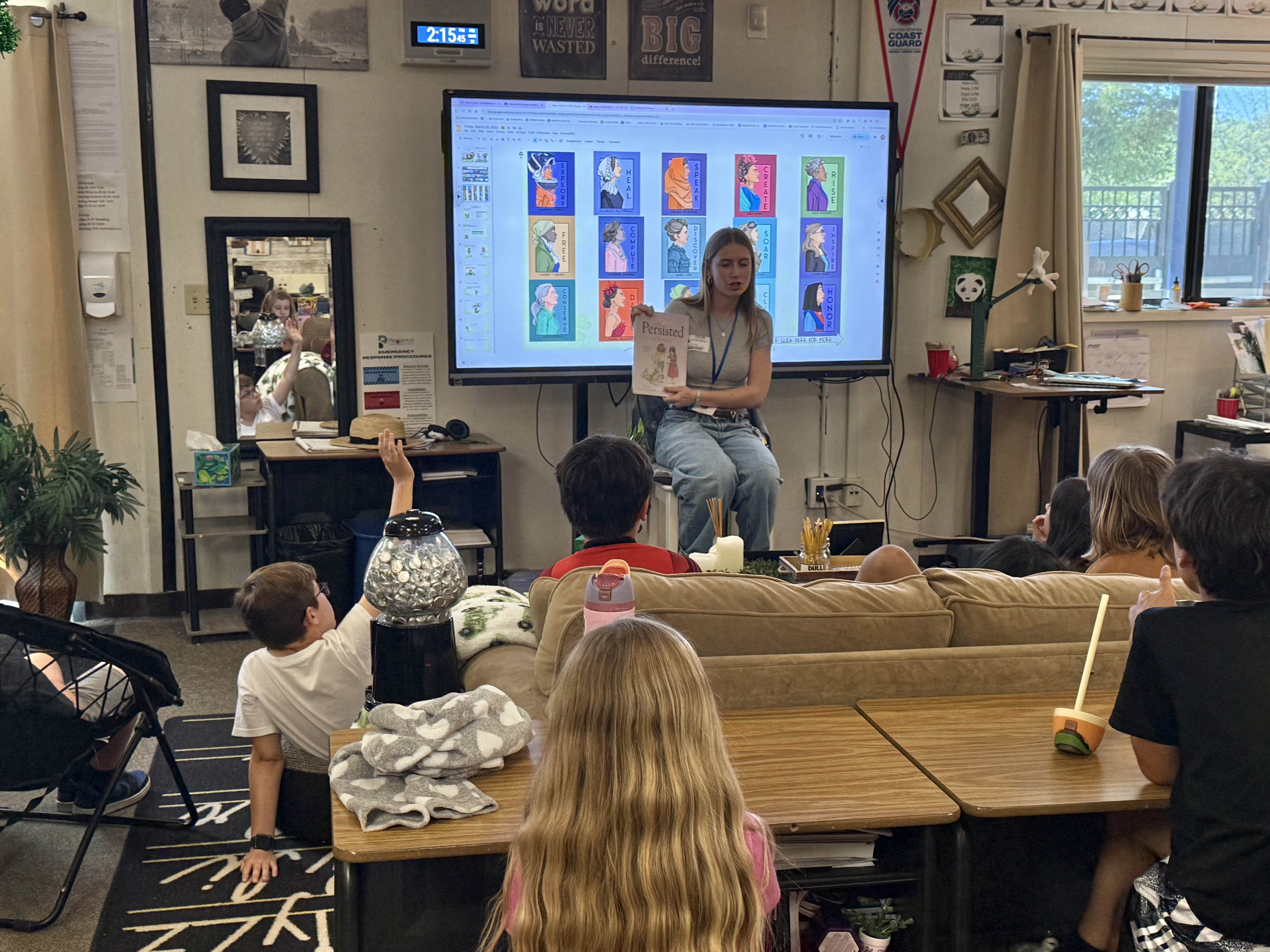
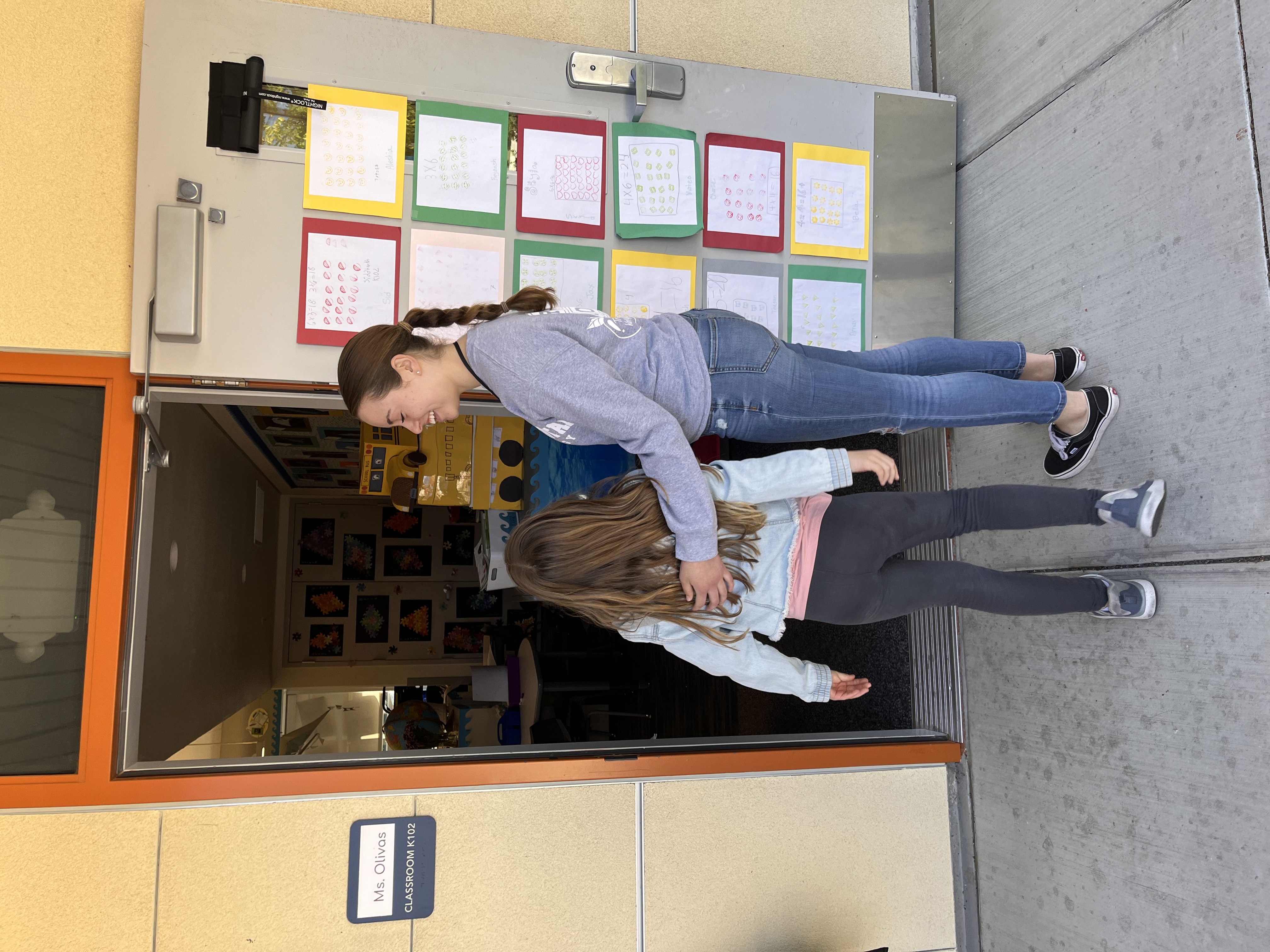
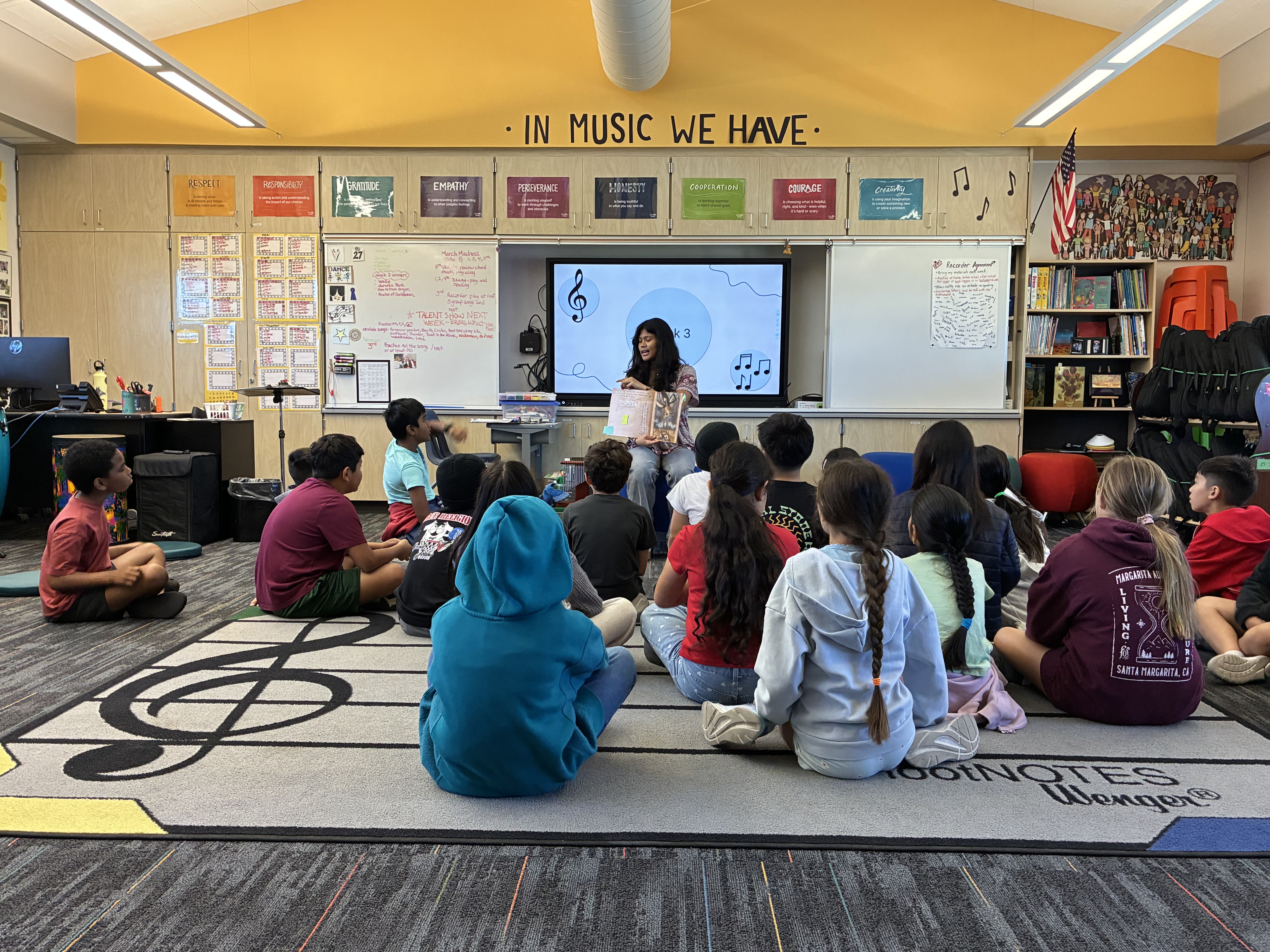
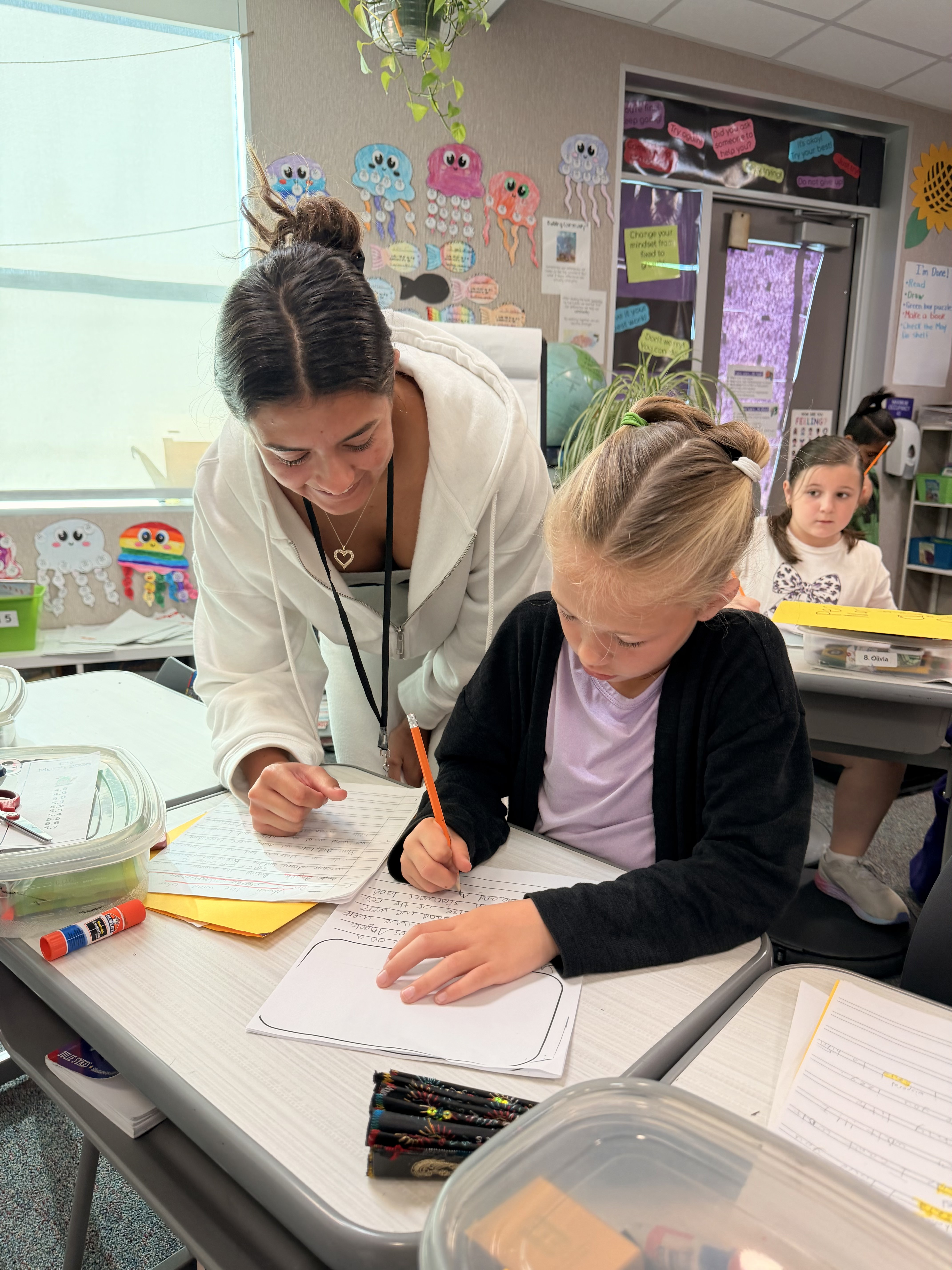
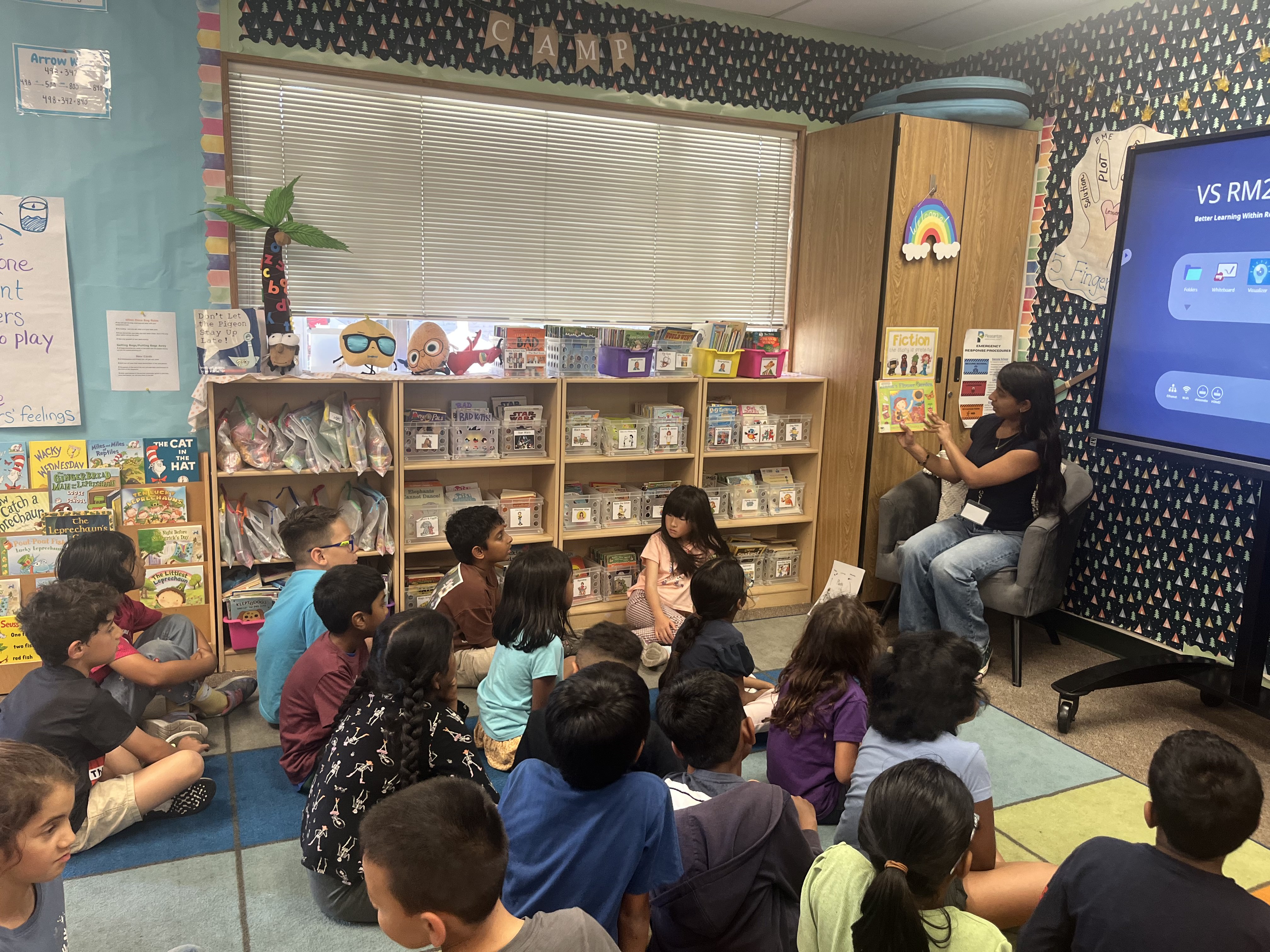
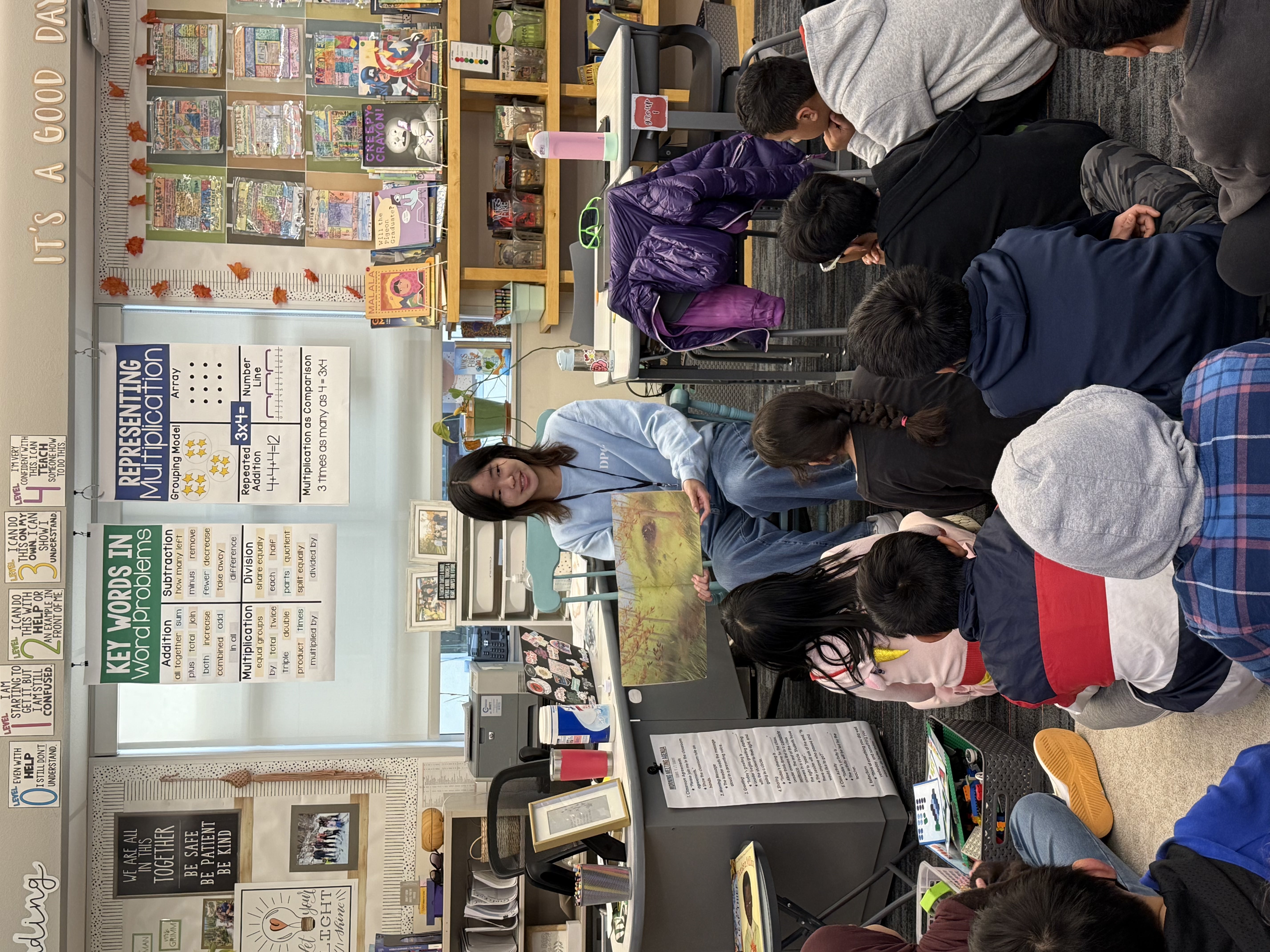
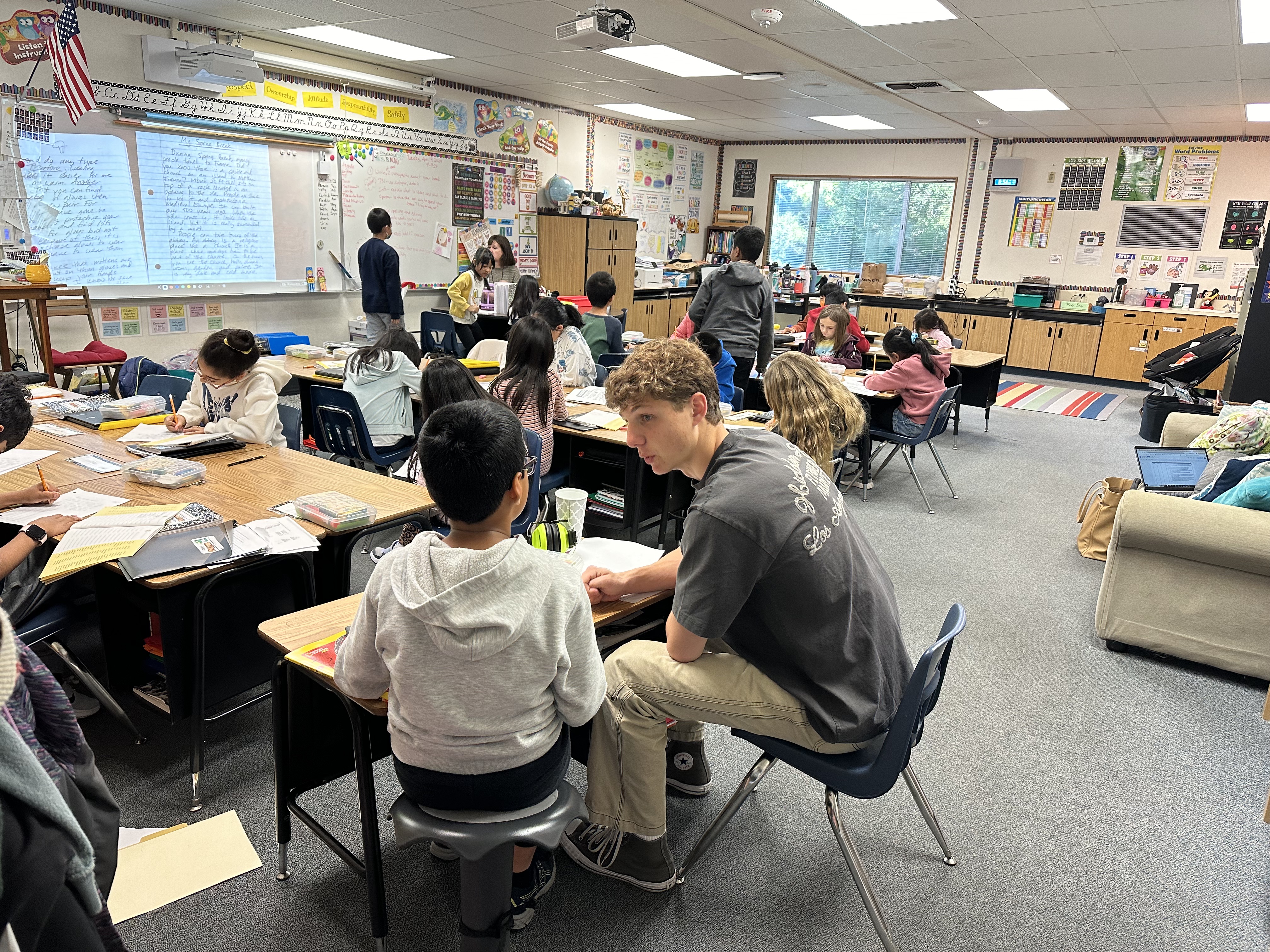
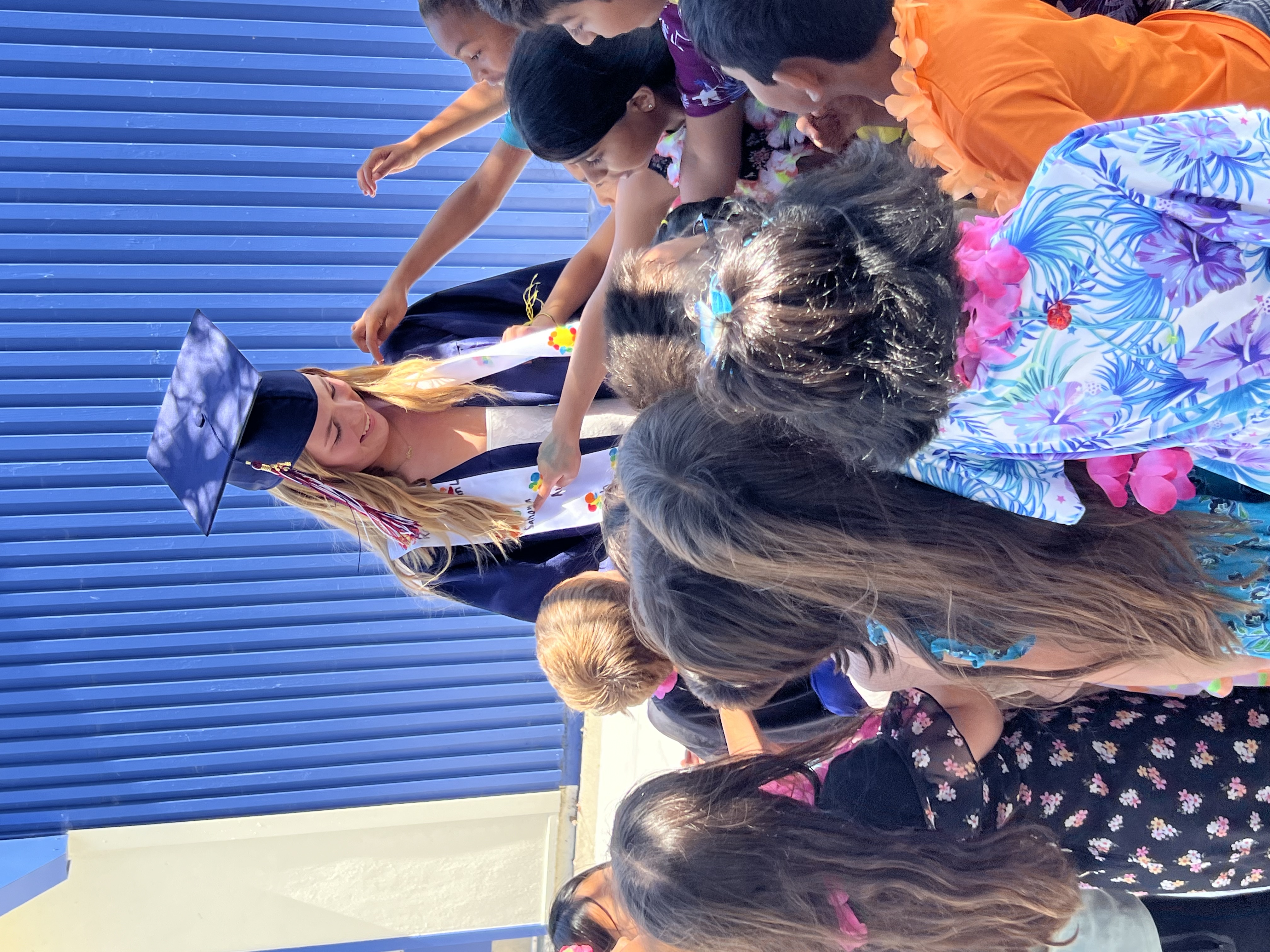
The cornerstone of DPOC is substantive, real-world fieldwork. High school students are placed as interns in partnering elementary schools, working directly with students in kindergarten through 6th grade under the mentorship of credentialed teachers.
Interns actively support small-group reading and math instruction, facilitate enrichment stations, assist with classroom routines, and form nurturing bonds with the young children they support.
Is DPOC Right for You?
Future Educators
LEARN MORE ▾
Students aiming to become elementary or secondary teachers, building authentic classroom hours prior to college.
Psychology & Counseling
LEARN MORE ▾
Aspiring child psychologists, school counselors, and social workers examining human behavior in real-time practice.
Healthcare & Pediatrics
LEARN MORE ▾
Future pediatric nurses, occupational therapists, and speech-language pathologists observing developmental milestones.
Youth Advocates
LEARN MORE ▾
Emerging leaders dedicated to family support systems, educational equity, and community youth initiatives.
Curious Explorers
LEARN MORE ▾
High schoolers building transferable leadership, empathetic communication, and professional team collaboration skills.
Returning DPOC II
LEARN MORE ▾
Progressing to advanced fieldwork leadership, independent classroom projects, and college portfolio readiness.